
Modern Finishes That Handle Regional Humidity
Stucco in Summerville for properties requiring durable weather resistance and distinctive exterior appearance
Stucco application begins with a clean substrate—either masonry, concrete block, or wood framing with proper lath and moisture barriers—and builds up in layers that cure over several days. Raptor Roofing & Exteriors applies this finish throughout Summerville for homeowners who want a seamless exterior that doesn't show seams or panel lines like siding does. The material performs well in humid coastal climates because it breathes, allowing trapped moisture to escape rather than accumulating behind a vapor-impermeable surface.
A traditional three-coat system includes a scratch coat that bonds to the lath, a brown coat that builds thickness and levels the surface, and a finish coat that provides texture and color. Each layer must cure fully before the next goes on, which means weather conditions affect the timeline more than with siding or other cladding that installs in any temperature range.
Arrange a site evaluation to confirm your wall assembly supports stucco application and review finish texture options.
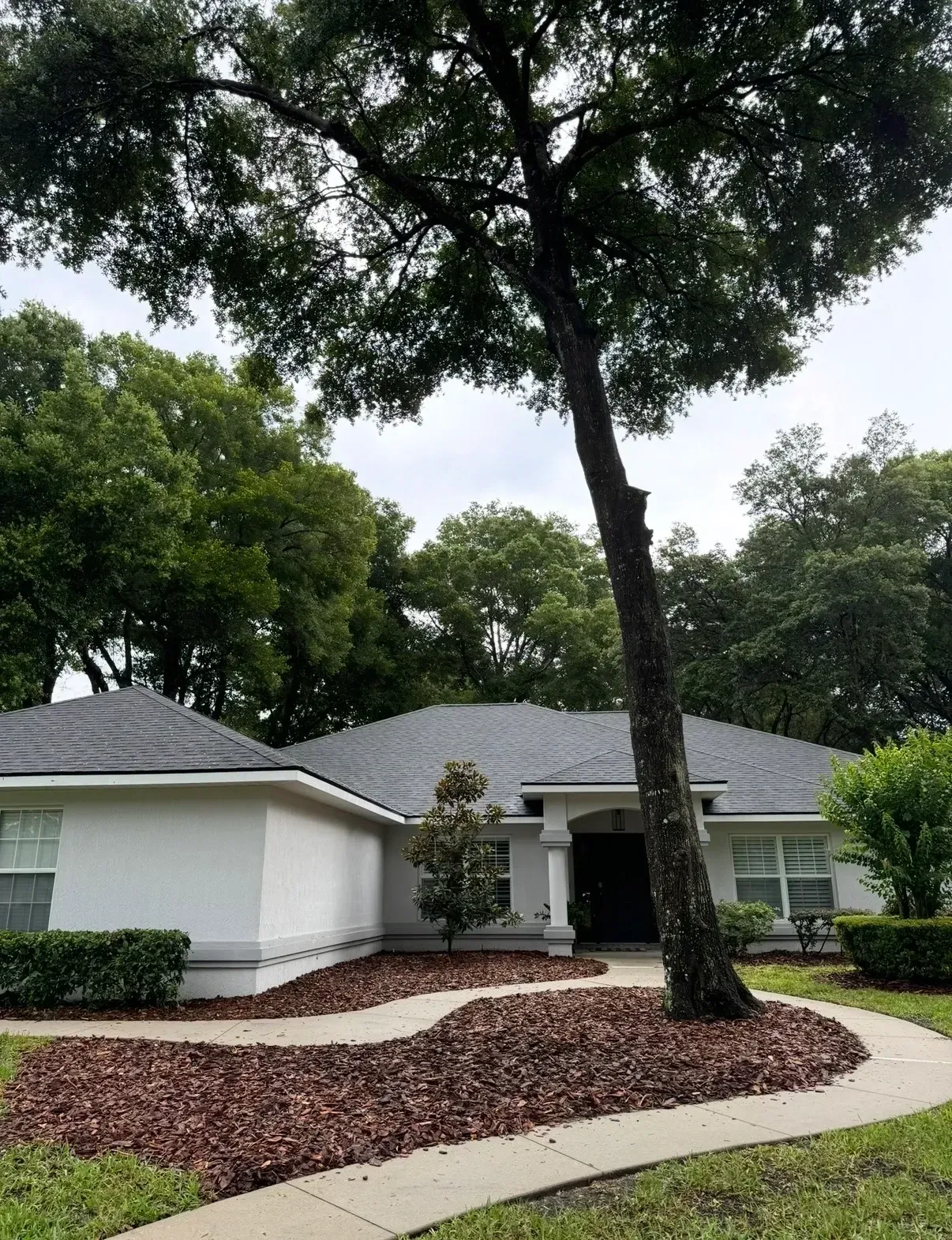
Why Proper Installation Works for Long-Term Performance
Stucco relies on correct substrate preparation and flashing integration more than many other exterior finishes. The scratch coat must mechanically key into metal lath, weep screed at the foundation allows water to exit at the bottom of the wall, and control joints prevent random cracking as the material shrinks during curing. Skipping these steps leads to delamination, water intrusion at penetrations, and spiderweb cracks that compromise both appearance and weather protection.
After installation completes, your exterior presents a continuous monolithic surface without visible fasteners or seams. The finish coat texture—whether smooth, sand, or heavy dash—remains consistent across large wall areas, and properly placed control joints direct any minor cracking to planned locations rather than random paths. Raptor Roofing & Exteriors ensures expansion joints align with structural features and that all window and door openings include code-compliant flashing that ties into the weather-resistive barrier.
Stucco works well as part of full exterior renovations, especially when you're updating roofing and trim at the same time. The material integrates cleanly with stone veneer accents, wood beams, and other architectural details, giving you flexibility in design that's harder to achieve with lap siding or vertical panels.
Answers to Frequent Service Questions
Before committing to stucco, property owners in Summerville typically want clarity on application requirements and long-term maintenance expectations.
How does stucco handle temperature and humidity changes in coastal areas?
The material expands and contracts with thermal cycles, which is why control joints every fifteen to twenty feet are critical. In Summerville's humid conditions, properly mixed stucco cures without excessive shrinkage cracking, and the breathable finish allows moisture vapor to escape from wall cavities rather than trapping it behind an impermeable layer.
What preparation does the existing wall need before stucco application?
Wood-framed walls require building paper or a drainage mat, metal lath fastened to studs, and weep screed at the base. Masonry or block walls may only need a bonding agent and scratch coat if the surface is clean and sound. Any loose paint, efflorescence, or previous coatings must come off completely.
When is the best time to schedule stucco work?
Avoid the hottest summer months and freezing winter days, since extreme temperatures affect curing. Spring and fall provide moderate conditions that let each coat hydrate properly without drying too fast or staying wet too long, both of which weaken the finished system.
What's the difference between traditional stucco and synthetic options?
Traditional cement-based stucco is harder, more impact-resistant, and fully breathable. Synthetic acrylic finishes apply thinner, cure faster, and offer more color stability, but they don't allow as much moisture vapor transmission and may not adhere as well over time in high-humidity environments.
How long does stucco last before needing repair?
A properly installed system can perform for fifty years or more, though small cracks may appear at control joints or around openings. Repainting every ten to fifteen years maintains appearance and provides an additional weather barrier, especially in areas with direct sun exposure that degrades the finish coat's pigment.
Raptor Roofing & Exteriors walks through substrate inspection and finish options during the consultation, ensuring your wall assembly can support the weight and movement of a stucco system. Contact our team to discuss design goals and receive a detailed scope that covers all preparation and finish work.