
Outdoor Spaces Designed for Daily Use
Patio construction in Summerville for homeowners expanding functional living areas beyond interior walls
Summerville's warm climate makes outdoor living spaces viable nearly year-round, but unprotected patios accumulate debris, trap standing water, and offer no relief from afternoon sun or sudden storms. Raptor Roofing & Exteriors builds custom patios that include structural roofing, screening options, and integrated drainage, turning underutilized backyards into rooms that function as extensions of your home. You consider this service when your current outdoor area feels unusable due to weather exposure or when you need covered space for furniture, grills, and seating that would otherwise deteriorate outside.
Construction starts with footings and posts sized for wind loads and roof weight, then builds a frame that supports either open rafters, solid roofing to match your home, or a combination that balances shade with natural light. Screening keeps insects out while maintaining airflow, and ceiling fans or light fixtures integrate into the structure during framing rather than as afterthoughts.
Schedule a design consultation to review layout options that match your home's architecture and maximize yard access.
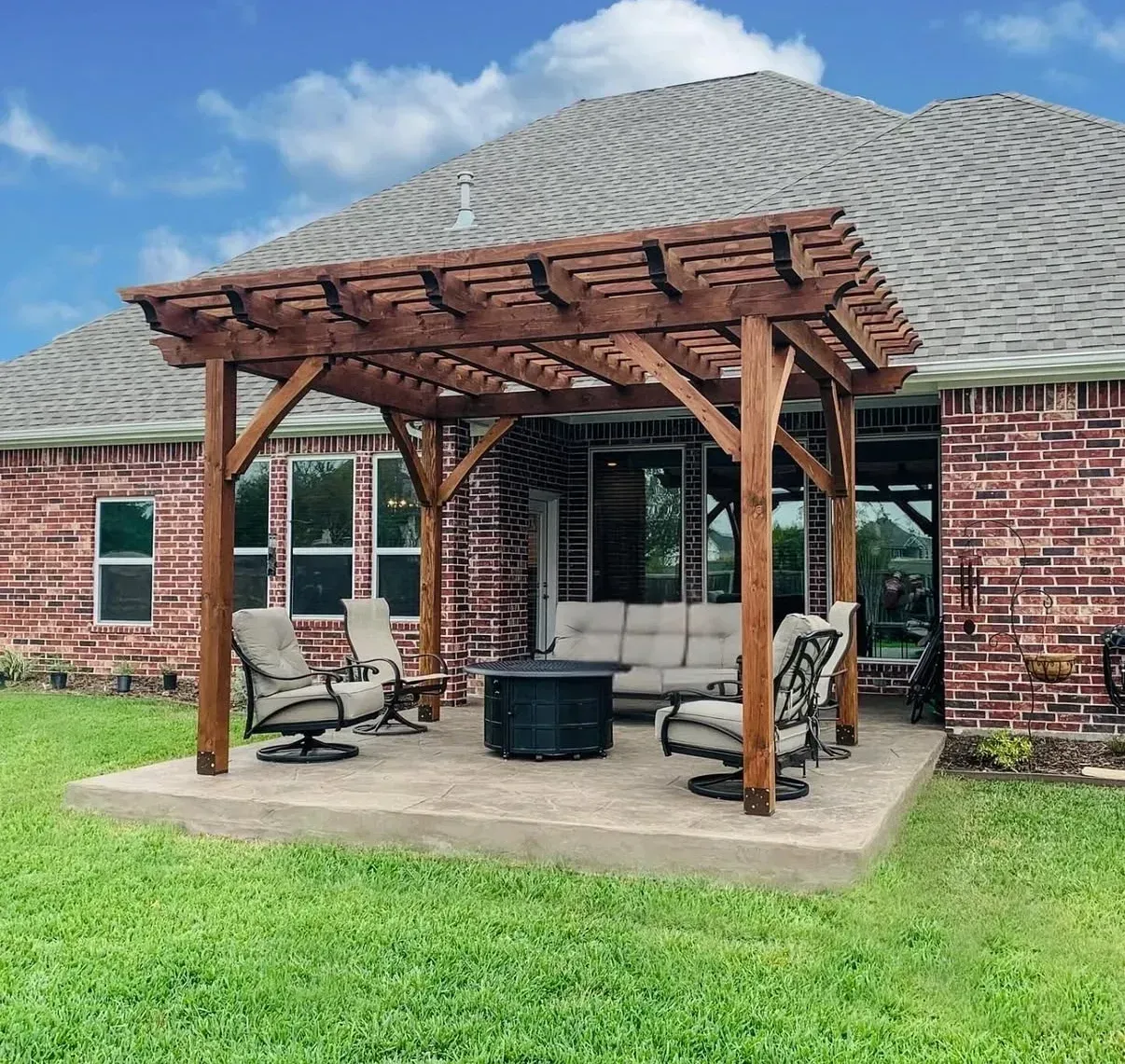
What Changes After Construction Completes
A finished patio creates defined square footage with a stable floor—usually concrete or pavers graded for drainage—and a weatherproof overhead structure that blocks rain and UV exposure. Electrical outlets and lighting circuits let you use the space after dark, and screened walls eliminate the need for citronella or other temporary mosquito solutions that only work in calm conditions.
You'll notice outdoor furniture stays cleaner because it's not exposed to pollen, tree sap, and bird droppings. Grills and outdoor kitchens operate in any weather without rust accelerating on metal surfaces, and the covered area remains cooler than open decks during summer afternoons. Gutters along the patio roofline direct runoff away from the slab, preventing puddles that attract pests or create slipping hazards near entry doors.
Patio projects often coordinate with siding updates or fence installation, especially when you're addressing full backyard renovations. The structure's roofline should integrate with your home's existing eaves and flashing, which is easier to accomplish when both roofing systems go up during the same project phase rather than trying to tie into old shingles or aged underlayment later.
Common Questions About This Service
Homeowners planning outdoor additions usually focus on design flexibility, structural requirements, and how the new space will perform in Summerville's climate.
What foundation work does a covered patio require?
Posts must bear on concrete footings that extend below the frost line and resist settling in sandy or clay soils common in the region. The floor slab needs a compacted base, vapor barrier, and slight slope away from the house to prevent water from migrating toward your foundation.
How does screening affect ventilation and visibility?
Fiberglass or aluminum mesh blocks insects while allowing airflow, though heavy pollen during spring may accumulate on screens and require periodic cleaning. Visibility remains clear from inside the patio, and the screening doesn't significantly reduce natural light compared to open railings.
When should patio construction happen relative to other exterior projects?
Build the patio after siding and roofing if those systems are being replaced, since patio flashing must integrate with finished wall cladding and your home's drip edge. Doing the patio first risks damaging new materials during later roof work or requiring rework to achieve proper weather sealing.
What roofing material works best for covered patios in coastal climates?
Asphalt shingles matching your home's roof provide consistent appearance and proven performance, though metal roofing offers longer lifespan and better wind resistance. Both materials handle Summerville's humidity and temperature swings without special maintenance beyond standard gutter cleaning.
How much space should a functional patio provide?
Plan at least twelve feet of depth to accommodate seating and walkways without crowding, and sixteen feet or more if you're including dining areas or outdoor kitchens. Width depends on your home's footprint, but matching the span of existing rear windows or doors creates visual balance.
Raptor Roofing & Exteriors evaluates site drainage, foundation conditions, and how the new structure will tie into your home's exterior during the initial visit. Set up a project estimate to explore material options and see how a covered patio fits into your broader property plans.